















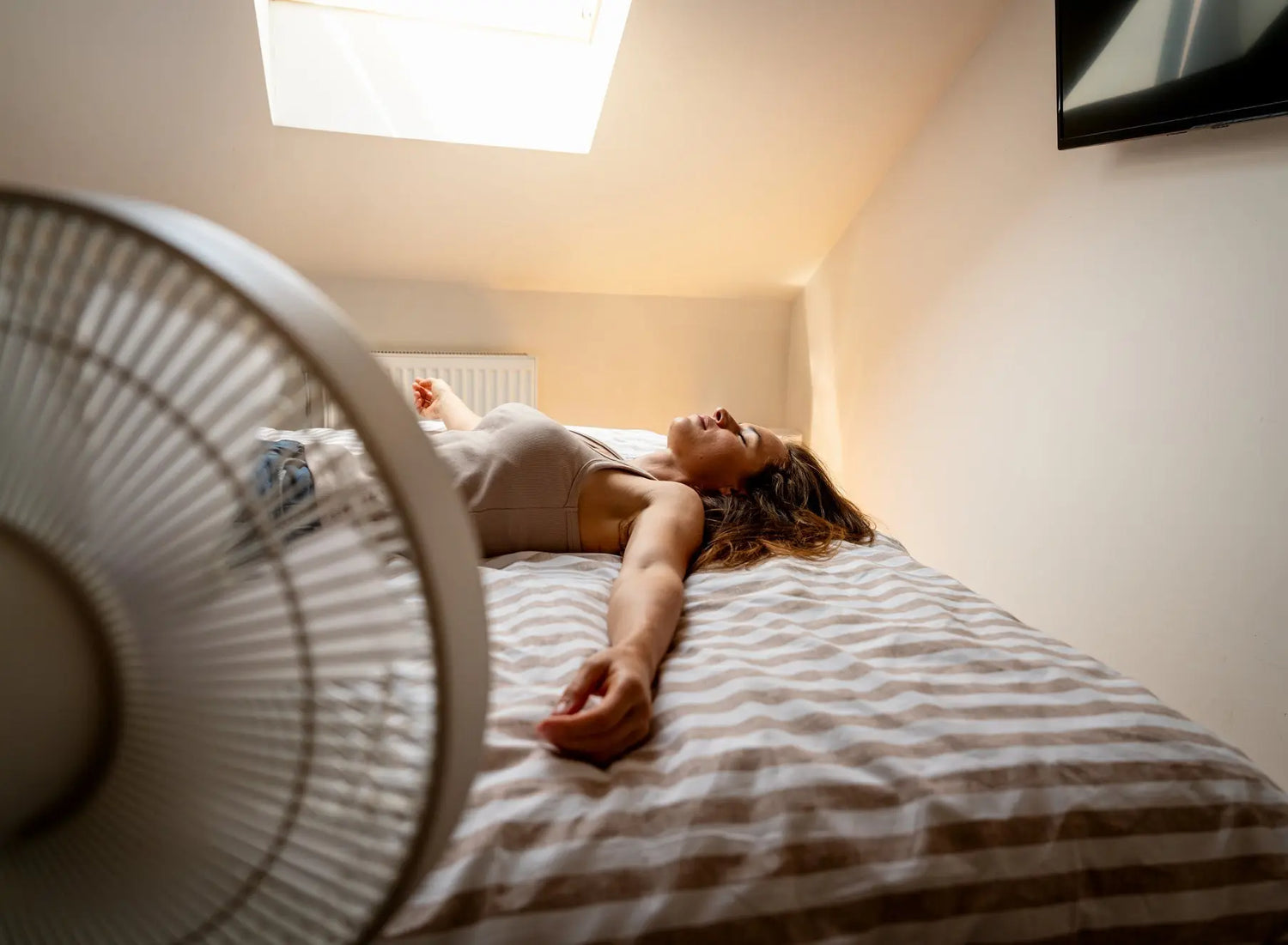
Hot weather can make bedtime feel frustrating very quickly.
You get into bed already warm, the room feels stuffy, and instead of drifting off, you spend the night tossing, waking up, and trying to get comfortable again. Summer may feel relaxing during the day, but it can be one of the hardest times of year for good sleep.
The good news is that there are simple ways to make hot nights easier. Once you understand why heat affects sleep so much, it becomes easier to set up your room and your routine for cooler, more comfortable rest.

Why Heat Makes Sleep Harder
Your body does not stay at the same temperature all day.
During the day, your body stays warmer and more alert. As evening approaches, your body starts producing signals that help you feel sleepy, and your core temperature begins to drop. That drop helps prepare you for sleep.
When the weather is very hot, that process becomes harder. Your body has to work more to release heat, and that extra effort can make sleep feel lighter, more broken, and less restorative.
How Your Body Tries to Cool Down
Your body cools itself in a few main ways.
It releases heat through the skin and through breathing. Blood vessels near the skin open up more so heat can escape, and sweating helps cool the body through evaporation.
When it is very warm at night, your body has to work harder to do all of this. The problem is that this cooling effort can make it harder to fully settle into deep, restful sleep.
That is one reason hot nights often leave people waking up more, sleeping more lightly, and feeling less refreshed in the morning.

What Hot Weather Can Do to Your Sleep
When nighttime temperatures get too high, sleep quality often drops.
Hot bedrooms can make it take longer to fall asleep. They can also lead to more waking during the night and less total sleep overall. Heat can also reduce important stages of sleep, including deep sleep and dream related sleep.
In everyday life, that can feel like:
- taking longer to fall asleep
- waking up sweaty or uncomfortable
- sleeping lightly instead of deeply
- feeling foggy or drained the next day
Even if you spend enough hours in bed, hot weather can make that sleep feel much less effective.
Why Humidity Can Make It Even Worse
Heat alone is difficult enough, but humidity can make the problem worse.
When the air is humid, sweat does not evaporate as easily. That makes it harder for your body to release heat and cool down properly. As a result, the room can feel heavier, stuffier, and more uncomfortable.
That is why some hot climates feel much harder to sleep in than others. It is not only the temperature. It is how trapped the heat feels around your body.

Not All Heat Is Bad at the Same Time
Interestingly, a small amount of heat before bed can sometimes help.
Mild warming before sleep, such as a warm bath taken a couple of hours before bedtime, may help people fall asleep faster. The key is timing. Gentle warmth before bed can support the body’s natural cooling process later.
That is very different from trying to sleep in an overheated room all night. Mild warmth before bed can help. Excessive heat during sleep usually does the opposite.
What Temperature Feels Best for Sleep
Most people sleep best when the bedroom feels cool.
A common comfort range for sleep is between 60 and 72 degrees Fahrenheit, with many people feeling best around 65 degrees. The right setting depends on your bedding, your comfort level, and whether you share the bed with someone who prefers a different temperature.
The goal is not to make the room feel cold. The goal is to make it cool enough that your body does not have to struggle to stay at a comfortable sleep temperature.

How to Sleep More Comfortably on Hot Nights
The best way to sleep better in hot weather is to help your body cool down before bed and keep the room from trapping heat overnight.
Cool your body before bed
A cool or lukewarm shower before bed can help you feel more comfortable and make it easier for your body to settle.
Even a small drop in body heat can make bedtime feel less uncomfortable.
Cool the room early
Do not wait until bedtime to start cooling the room.
If you have air conditioning or another cooling method, it helps to lower the room temperature before you are ready to sleep. That way the bedroom already feels comfortable when you get in bed.
Keep sunlight out during the day
If the room gets hit with direct sun, it can hold heat long into the evening.
Keeping curtains closed during the day can help prevent your bedroom from turning into a heat trap. This is where a blackout option can be useful. Slumblr® Blackout Curtains can help block harsh light and reduce outside visibility while also supporting a darker, more private room. Because the fabric is designed with thermal insulation, it can also help the room feel more balanced during hotter parts of the day.

Let the bed cool down too
Sometimes the room is not the only warm thing. Your mattress and bedding may also be holding heat.
Pulling back the covers before bed can help release some of that trapped warmth so the bed feels cooler when you get in.
Switch to lighter bedding
Heavy bedding can make hot nights feel even worse.
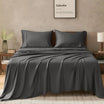
Lighter and more breathable layers can help the bed feel less stuffy and more comfortable. A fitted sheet can make a noticeable difference here. The Slumblr® Bamboo Cooling Fitted Sheet Cover is designed to create a cooler, drier surface feel through the night, which can be especially helpful during warmer seasons or in bedrooms that tend to hold heat. Its smooth bamboo viscose fabric feels lightweight and breathable, and the deep pocket fit helps it stay in place without shifting around overnight.

Use fans when possible
Fans can help move air around the room and make heat feel less stagnant. Even when they do not lower the temperature dramatically, they can still make the room feel more comfortable.
Cool small comfort items
Simple tricks can help at bedtime too. For example, cooling a pillowcase before bed can make the first part of the night feel much more comfortable.
Your pillow itself can also affect how hot and unsettled the bed feels. If a pillow feels dense, stuffy, or poorly matched to your sleep position, that discomfort can make warm nights feel even worse. The Slumblr® Cooling Shredded Memory Foam Pillow is useful here because the adjustable fill lets you change the loft and feel based on how you sleep, while the breathable cooling cover is designed to promote airflow and a fresher surface feel.

Practical Tips for Hot Weather Sleep
If you want to sleep better when it is hot outside, focus on these:
- keep the bedroom as cool as possible
- shower with cool or lukewarm water before bed
- block sunlight during the day
- use lighter, more breathable bedding
- cool the room before bedtime, not after
- use fans or cooling devices when possible
- let the mattress and bedding air out before sleep
- choose bedding and pillows that feel cooler and lighter at night
Final Thoughts
Hot weather can make sleep feel frustrating, restless, and far less refreshing. When your body has to fight to cool down, it becomes much harder to fall asleep easily and stay asleep comfortably.
The goal is not to make summer perfect. It is to make your bedroom and bedtime routine work better with the heat instead of against it. A cooler room, lighter bedding, and a few simple habits before bed can make a big difference on hot nights.




Leave a comment
This site is protected by hCaptcha and the hCaptcha Privacy Policy and Terms of Service apply.